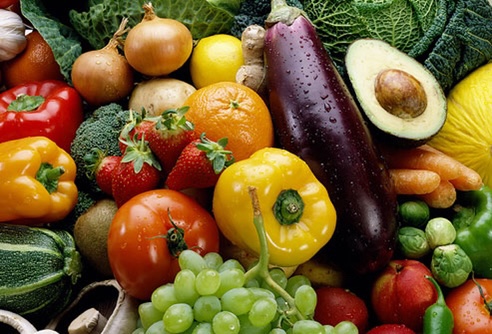
Cancer is one of the top reasons for death. This illness occurs when abnormal cells overtake normal cells in your body. It can happen as a result of eating too many genetically modified foods or exposure to high amounts of radiation. This disease could be prevented by living a healthy lifestyle. For example, diet is important for living a healthy lifestyle.
According to an article that I found on medicalnewstoday.com, these seven foods can help prevent the risk for cancer.
1) Apples
Apples contain polyphenol, which contains anticancer compounds.
According to a study in the Journal of Food and Drug Analysis, the polyphenol in apples limits the growth of breast cancer cells.
2) Berries
These are high in vitamins, minerals, dietary fibers, and antioxidants. Also, there is anthocyanin inside of berries which lowers the chance for colon cancer.
Tests on mice have confirmed that berries can inhibit tumor growth on them.
3) Cruciferous vegetables
Cruciferous vegetables contain vitamin C, vitamin K, manganese, and sulforaphane. Sulforaphane contains anticancer elements that have been confirmed in studies to prevent the growth of cancer cells.
4) Carrots
Inside carrots are vitamin K, vitamin A, antioxidants, and beta-carotene. Tests have shown that beta-carotene helps reduce the chance of breast and prostate cancer.
The results of an examination showed that the risk of stomach cancer by eating carrots was reduced by 26%.
5) Fatty Fish
Fatty Fish has a high amount of compounds such as vitamin B, potassium, and omega-3 fatty acids.
According to a couple studies, people that had diets high in freshwater fish and fish oil were linked to a lower chance for colorectal, prostate, and colon cancer.
6) Walnuts
Walnuts contain an element called pedunculagin, which may limit the incidence of breast cancer.
7) Legumes
Beans, peas, and lentils are different types of legumes that can help fight cancer.
According to some tests, a high intake of legumes resulted in a lower risk of colorectal cancer, and a diet rich in bean fiber decreased the risk of breast cancer.
 The Healthy Snacks Bible